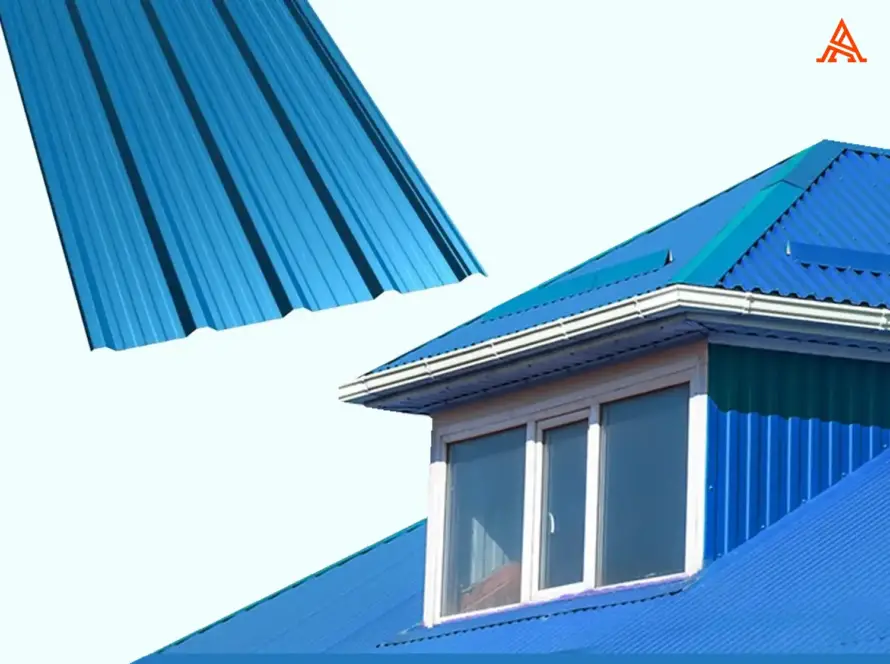

Aluminium vs Steel Roof: Which Is Better for Your Business?
Table of Contents
In the summer of 2017, a warehouse owner in Haryana called us in panic.
His steel roof had started rusting within just a few years. Water seepage had begun during monsoon, and the structure underneath was weakening. Production stopped for three days while repairs were made.
The real problem wasn’t the roof itself.
It was the choice of roofing material.
After working in the aluminium industry for more than 20 years, supplying aluminium sections, profiles, tracks, and architectural materials across India, we’ve seen the same mistake repeated again and again:
Businesses choose roofing material based on initial price, not long-term performance.
The truth is simple: The right roof can save your business lakhs over time — the wrong one can cost far more than the building itself.
So the real question is not just aluminium or steel.
The real question is:Which roofing material actually makes business sense for your building?
Let’s break it down from a practical, real-world industry perspective.
Aluminium Roof vs Steel Roof: A Quick Overview
When it comes to commercial roofing, two metals dominate the industry:
- Aluminium roofing
- Steel roofing
Both are widely used in:
- Warehouses
- Factories
- Industrial sheds
- Commercial buildings
- Workshops
- Godowns
- Agricultural buildings
But despite serving similar purposes, their long-term performance is very different.
Here’s the quick comparison:
| Factor | Aluminium Roof | Steel Roof |
|---|---|---|
| Corrosion Resistance | Excellent | Moderate |
| Weight | Very Light | Heavy |
| Lifespan | 35–50 Years | 20–35 Years |
| Maintenance | Very Low | Moderate |
| Heat Reflection | High | Medium |
| Structural Load | Low | High |
| Rust Risk | None | High without coating |
To truly understand which is better for your business, we must look deeper.
Understanding the Real Difference Between Aluminium and Steel Roofing
At first glance, aluminium and steel roofs might appear quite similar. Both are widely used in commercial and industrial buildings, and both provide strong protection from weather. However, once you start evaluating them from a long-term business perspective, the differences become much clearer.
Over the years, we have supplied aluminium products to contractors, builders and industrial buyers across India, and one thing consistently stands out — the choice of roofing material directly impacts maintenance costs, energy efficiency and structural performance.
Let’s explore the factors that truly matter.
- Durability and Corrosion Resistance
One of the biggest challenges for any roofing system is exposure to the environment. Rain, humidity, pollution and chemicals gradually attack the surface of the metal, and over time this can weaken the structure.
Aluminium has a natural advantage here. When aluminium is exposed to air, it forms a thin protective oxide layer on its surface. This layer acts like a shield that prevents further corrosion. Because of this natural protection, aluminium roofs can perform reliably even in coastal regions or highly humid environments.
Steel, on the other hand, does not have this natural resistance. It relies heavily on protective coatings such as galvanization or paint. While these coatings help initially, they can eventually wear out, especially in industrial environments. Once the protective layer is compromised, rust can begin to develop and maintenance becomes necessary.
For businesses operating in areas with high humidity, pollution or chemical exposure, this difference alone can significantly affect the lifespan of the roof.
- Weight and Structural Load
Another important factor that often gets overlooked is the weight of the roofing material.
Aluminium is significantly lighter than steel — roughly about one-third of the weight. This lightweight nature reduces the overall load placed on the building structure. In large industrial buildings like warehouses, factories or logistics centres, this can reduce the amount of structural support required.
Less structural load often means simpler installation and potentially lower costs for supporting frameworks.
Steel roofs are considerably heavier, which means the structure beneath must be designed to support that additional weight. While steel can provide rigidity, the heavier load can sometimes increase the cost of the supporting framework in large-span constructions.
- Thermal Performance and Energy Efficiency
In hot climates like India, roofing materials also influence the internal temperature of a building.
Aluminium naturally reflects a significant portion of sunlight rather than absorbing it. This reflective property helps reduce heat buildup inside warehouses, factories and commercial buildings. Over time, this can lower cooling costs and create a more comfortable working environment.
Steel tends to absorb more heat from the sun. As a result, buildings with steel roofing may experience higher internal temperatures unless additional insulation systems are installed. While insulation can improve thermal performance, it also increases the initial project cost.
For businesses trying to control long-term energy expenses, this difference in thermal behaviour becomes an important consideration.
- Maintenance and Long-Term Costs
One of the most practical concerns for any business owner is maintenance.
Aluminium roofs generally require very little upkeep. Because they do not rust, routine maintenance usually involves simple cleaning and occasional inspection of fasteners.
Steel roofing systems may require more attention over time. Protective coatings can wear out and may need to be reapplied to prevent corrosion. In some environments, repainting or anti-rust treatments become necessary after several years.
Although these maintenance tasks may seem minor initially, they can add up over the lifetime of the roof.
- Environmental Impact and Sustainability
Today, many businesses are also considering the environmental impact of the materials they use in construction. Roofing is no exception.
Aluminium stands out as one of the most sustainable metals used in construction. It can be recycled repeatedly without losing its structural properties. In fact, recycling aluminium requires only a fraction of the energy needed to produce new aluminium from raw materials. Because of this, aluminium roofing systems are often considered a future-ready choice for environmentally conscious projects.
Steel is also recyclable, but the production process generally consumes more energy compared to recycled aluminium. For businesses trying to reduce their carbon footprint or align with sustainable building practices, aluminium offers a practical advantage.
- Appearance and Design Flexibility
In modern commercial and industrial architecture, roofing is not only about protection — it also contributes to the overall visual appeal of a building.
Aluminium profiles and roofing systems are highly versatile. They can be finished in powder-coated colours, anodized surfaces or even wood-grain textures depending on the design requirements. This flexibility allows architects and builders to create structures that look modern while maintaining durability.
Steel roofs can also be coated or painted in different colours. However, achieving long-lasting aesthetic finishes often requires additional protective layers to prevent corrosion beneath the coating.
For projects where both performance and appearance matter, aluminium provides a wider range of long-term finishing options.
- Cost: Short-Term vs Long-Term Thinking
When businesses compare roofing materials, the first question is usually about price.
Steel roofing sheets often appear slightly more affordable at the initial stage. This lower upfront cost can make steel an attractive option for projects with tight budgets.
However, when evaluating roofing materials, it is important to look beyond the purchase price. Factors such as maintenance, corrosion resistance, structural load and energy efficiency all contribute to the true lifetime cost of a roof.
Aluminium may have a slightly higher initial price in some cases, but the reduced maintenance, longer lifespan and better resistance to environmental damage can make it a more economical solution over time.
From a long-term investment perspective, many businesses find that aluminium roofing delivers better overall value.
Which Roofing Material Is Best for Your Business?
The right roofing material ultimately depends on the type of building, location and operational needs of the business.
Steel roofing may still work well for projects where structural strength and lower upfront cost are the primary considerations.
However, for many commercial and industrial applications — especially in humid climates, polluted urban environments or coastal regions — aluminium roofing offers several practical advantages. Its corrosion resistance, lightweight structure, energy efficiency and low maintenance requirements make it a reliable long-term solution.
Businesses planning warehouses, factories, commercial complexes or large facilities often prefer aluminium because it helps reduce operational concerns while maintaining strong structural performance.
Final Verdict: Aluminium vs Steel Roofing
Both aluminium and steel have their place in modern construction, but when durability, sustainability and long-term performance are considered together, aluminium often emerges as the more future-ready material.
Its ability to resist corrosion, reduce structural load and maintain performance in challenging environments makes it particularly suitable for commercial and industrial roofing systems.
For businesses looking to invest in roofing that lasts longer and requires less maintenance, aluminium solutions are increasingly becoming the preferred choice.
If you are planning a construction or renovation project and need high-quality aluminium sections, tracks or profiles, explore our range of aluminium products supplied across India.