

“Teak Finish Railing Profile” has been added to your cart. View cart
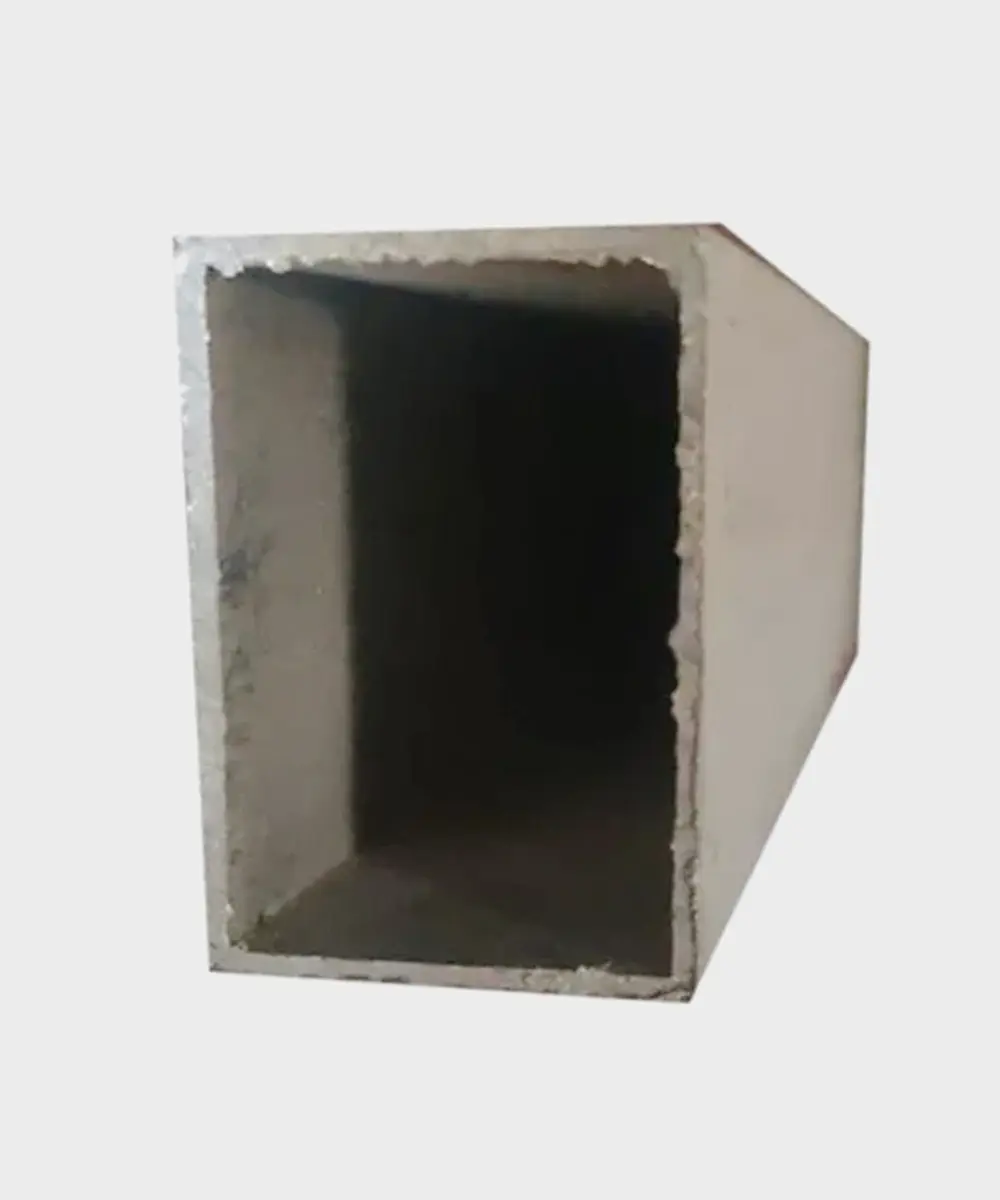
Aluminium Tube Profile
₹250.00
Note* – Prices are subject to change based on current market rates and other factors; for the latest pricing, please contact us.
Lightweight, high-strength aluminium tube profile — precision-extruded, corrosion-resistant and versatile for construction, automotive and industrial applications. Available in multiple diameters, wall thicknesses and customizable finishes.
For current price, product specifications, technical details, or certification-related queries, please connect with our support team.
📞 Call Customer Service: +91 9350507754
Precision Built
Engineered with accurate dimensions for smooth installation and stable performance.
Made to Last
Durable aluminium composition ensures long service life in daily use.
Trusted by Professionals
Widely preferred by fabricators, builders, and contractors across multiple applications.
Nationwide Supply
Most profiles available in ready stock for quick and hassle-free delivery.
The Aluminium Tube Profile is a precision-extruded tubular section designed for strength, lightness and fabrication flexibility. Its hollow cylindrical form delivers an excellent strength-to-weight ratio, making it ideal for structural members, handrails, framework, furniture, automotive components and general industrial assemblies. Manufactured from Grade A aluminium alloys and finished to industry standards, these tube profiles resist corrosion, provide dimensional stability and are easy to machine, weld or join using standard fabrication methods.
Auto Tech Industry has been trading and supplying aluminium profiles since 2002, and our tube profiles are produced with consistent extrusion tolerances and quality checks to suit both small-scale jobs and large projects. Tubes are available in standard lengths and a wide range of outer diameters and wall thicknesses to meet design and load requirements. Surface treatments such as anodizing or powder coating enhance durability and aesthetics, while custom cut-to-length, end-machining and perforation services speed up installation on site. Whether you’re a fabricator, architect or contractor, our aluminium tube profiles combine practical performance with a clean finish — supporting reliable builds and long-lasting results across PAN-India projects.
| Specification | Details |
|---|---|
| Product Name | Aluminium Tube Profile |
| Material | Aluminium (Grade A — 6000-series typical) |
| Shape | Cylindrical / Hollow tube |
| Standard Lengths | 3.0 m / 6.0 m (cut-to-length available) |
| Outer Diameter Range | 8 mm – 120 mm (various OD options) |
| Wall Thickness Range | 0.8 mm – 6.0 mm (typical options) |
| Surface Finish | Mill finish / Anodized / Powder-coated (custom RAL available) |
| Typical Applications | Handrails, frames, furniture, automotive components, structural tubes |
| Mechanical Properties | High strength-to-weight ratio; suitable for structural use (specify alloy for exact values) |
| Machining Options | Cut-to-length, end-machining, perforation, chamfering, threading |
| Corrosion Resistance | Good (improved with anodizing / powder-coating) |
| Minimum Order Quantity (MOQ) | Indicative: 150 kg |
| Indicative Price | Indicative: ₹250 / kg (market-dependent; subject to change) |
| Supply Capacity | Indicative: up to 80,000 kg / month |
| Delivery Time (Indicative) | 2–3 days for standard stock (subject to order size & location) |
| Packaging | Bundled with protective film and end caps to prevent damage |
| Quality & Inspection | Extrusion tolerance checks, visual finish inspection, material verification |
| Domestic Market | PAN India distribution and technical support |
Q1: What is an aluminium tube profile used for?
Aluminium tube profiles are used for structural framing, handrails, furniture, automotive parts, HVAC conduits and many industrial applications where a lightweight, corrosion-resistant tubular section is needed.
Q2: Which diameters and wall thicknesses are available?
Common options range from small diameters (8–25 mm) to larger sizes (up to 120 mm) with wall thicknesses typically between 0.8 mm and 6.0 mm. Custom sizes are available on request.
Q3: Can these tubes be powder-coated or anodized?
Yes. Surface treatments like anodizing and polyester powder coating are available to enhance corrosion resistance and achieve specific colours or finishes.
Q4: Do you offer cut-to-length and machining services?
Yes. Auto Tech Industry provides cut-to-length, end-machining, perforation and other pre-fabrication services to match project requirements and reduce on-site work.
Q5: Are aluminium tube profiles suitable for load-bearing applications?
Many aluminium alloys offer strong mechanical properties, but suitability depends on profile dimensions, wall thickness and load conditions. Provide design loads to your fabricator or our technical team for specific recommendations.
Q6: What is the expected delivery time and MOQ?
Indicative MOQ is 150 kg. For standard stocked sizes, delivery is typically 2–3 days; custom or large orders may require longer lead times depending on production and logistics.
Q7: How does Auto Tech Industry ensure consistent quality?
With over two decades in the aluminium trade (since 2002), Auto Tech Industry follows extrusion tolerance checks, material verification and finish inspections. Our processes aim to deliver consistent dimensions, predictable machining behaviour and reliable finishes for repeatable project results.
Related Products
Client Testimonials
Auto Tech Industry has been our go-to aluminium supplier for years. Their consistency and service make them a trusted partner.
Rahul Verma
Client
Smooth coordination and timely supply — working with them has simplified our procurement process.
Vikas Mehta
Client
Quality and precision in every delivery. They truly understand the needs of the construction industry.
Pooja Sharma
Client